

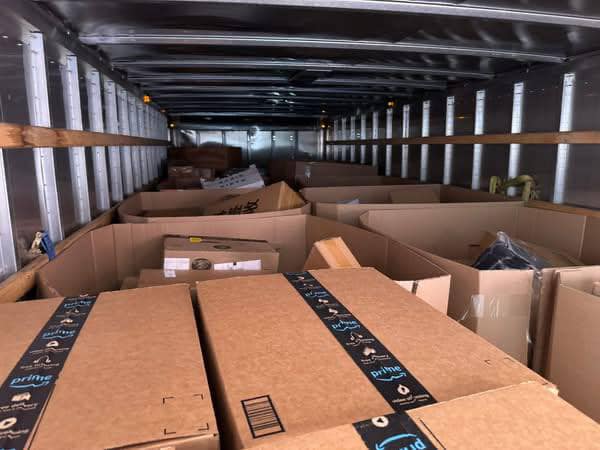
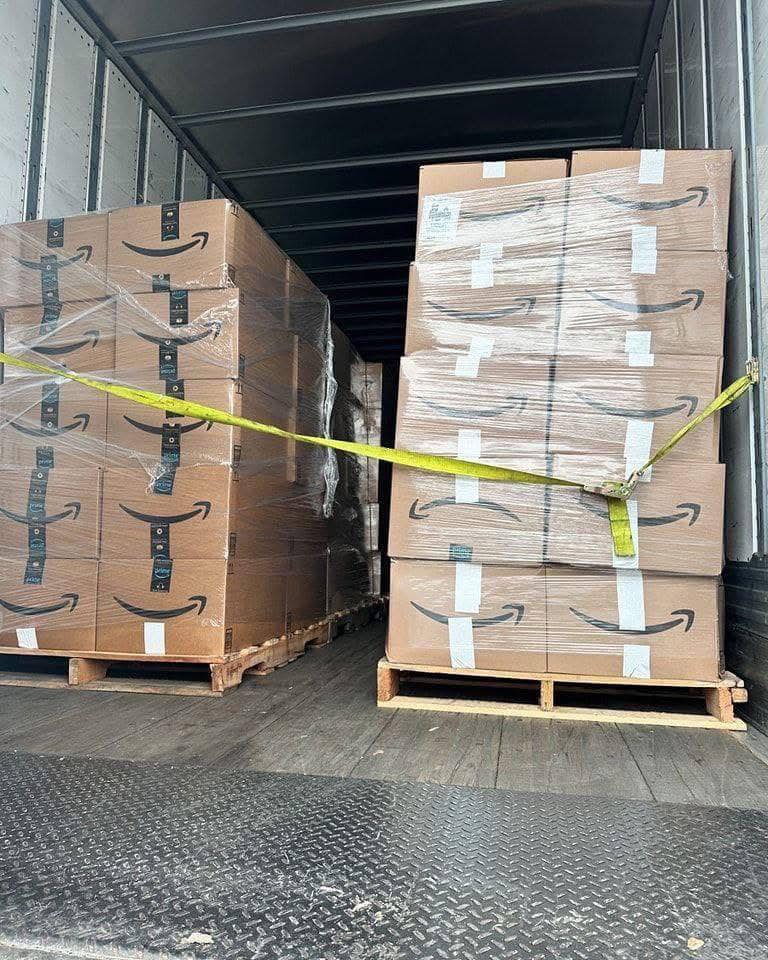


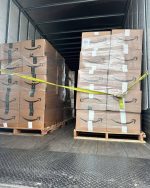
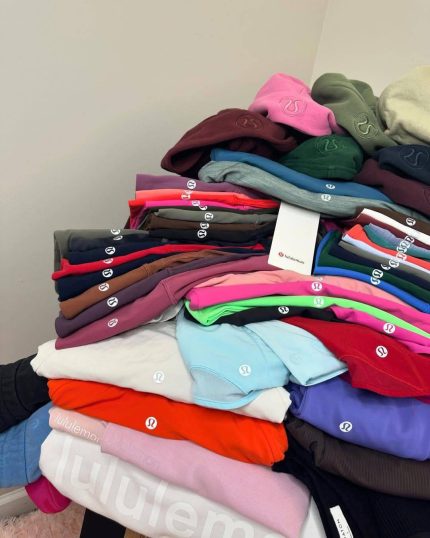
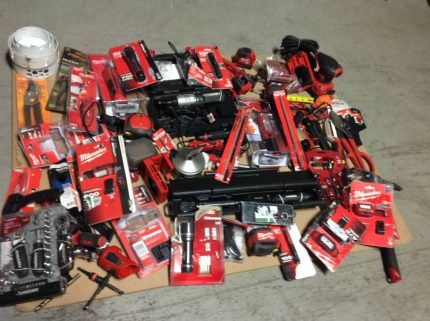
Buy Amazon Mystery Box Pallet (50+ Assorted Items From $200)
Original price was: $400,00.$200,00Current price is: $200,00.
Current Price: From $200
Status: In Stock – Limited Quantity
Seller: Verified Amazon Overstock Liquidator
Source: Amazon Overstock, Returns & Shelf Pulls
Condition: Mixed – 70% Brand New, 20% Like-New, 10% Customer Returns
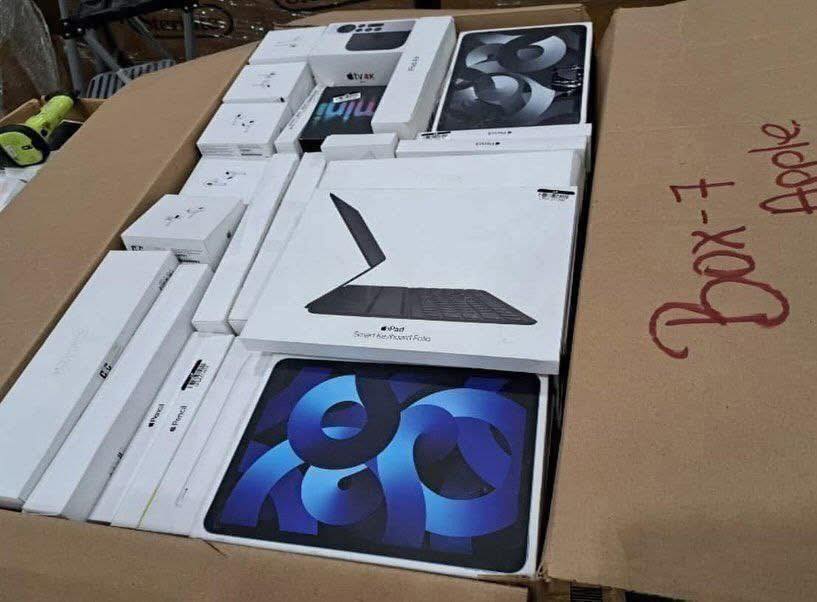
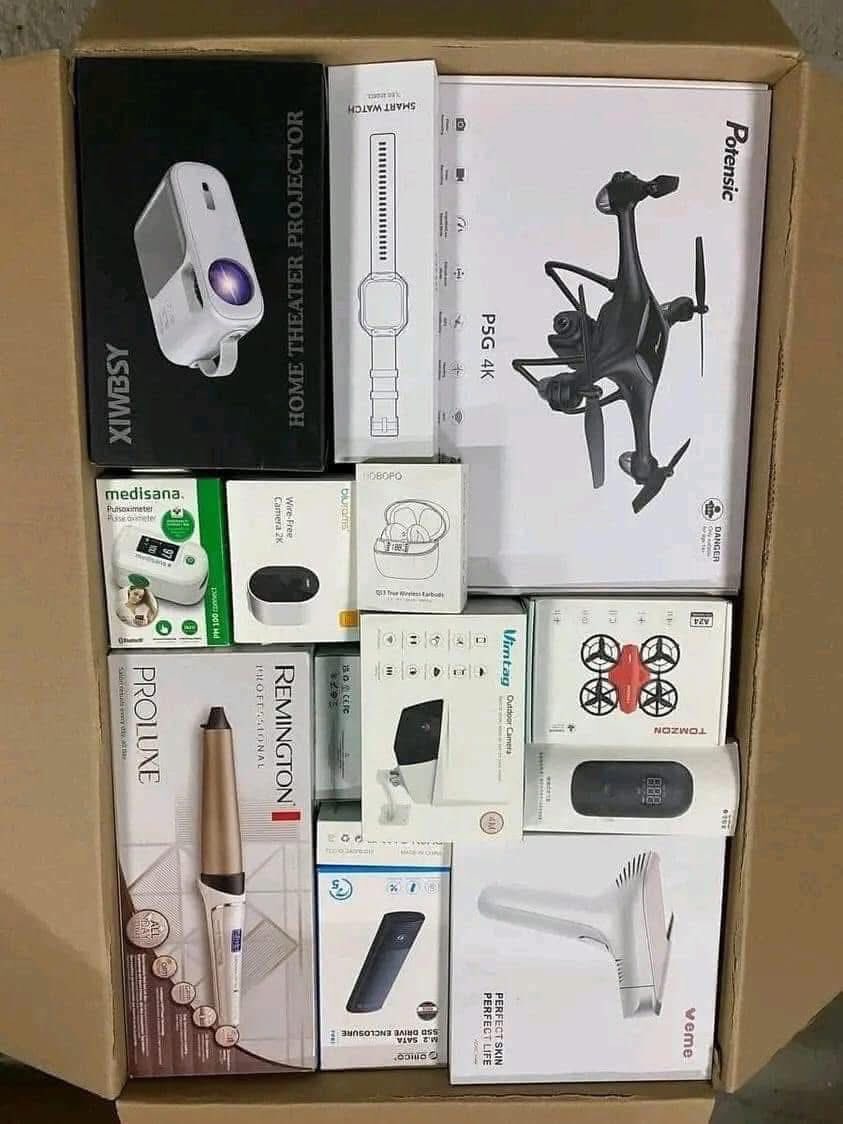
Items per Pallet: 50+ (Electronics, Apparel, Home, Toys & Beauty)
Estimated Retail Value: Up to $1,200+
Return Policy: Final Sale – Buyer Protection Available
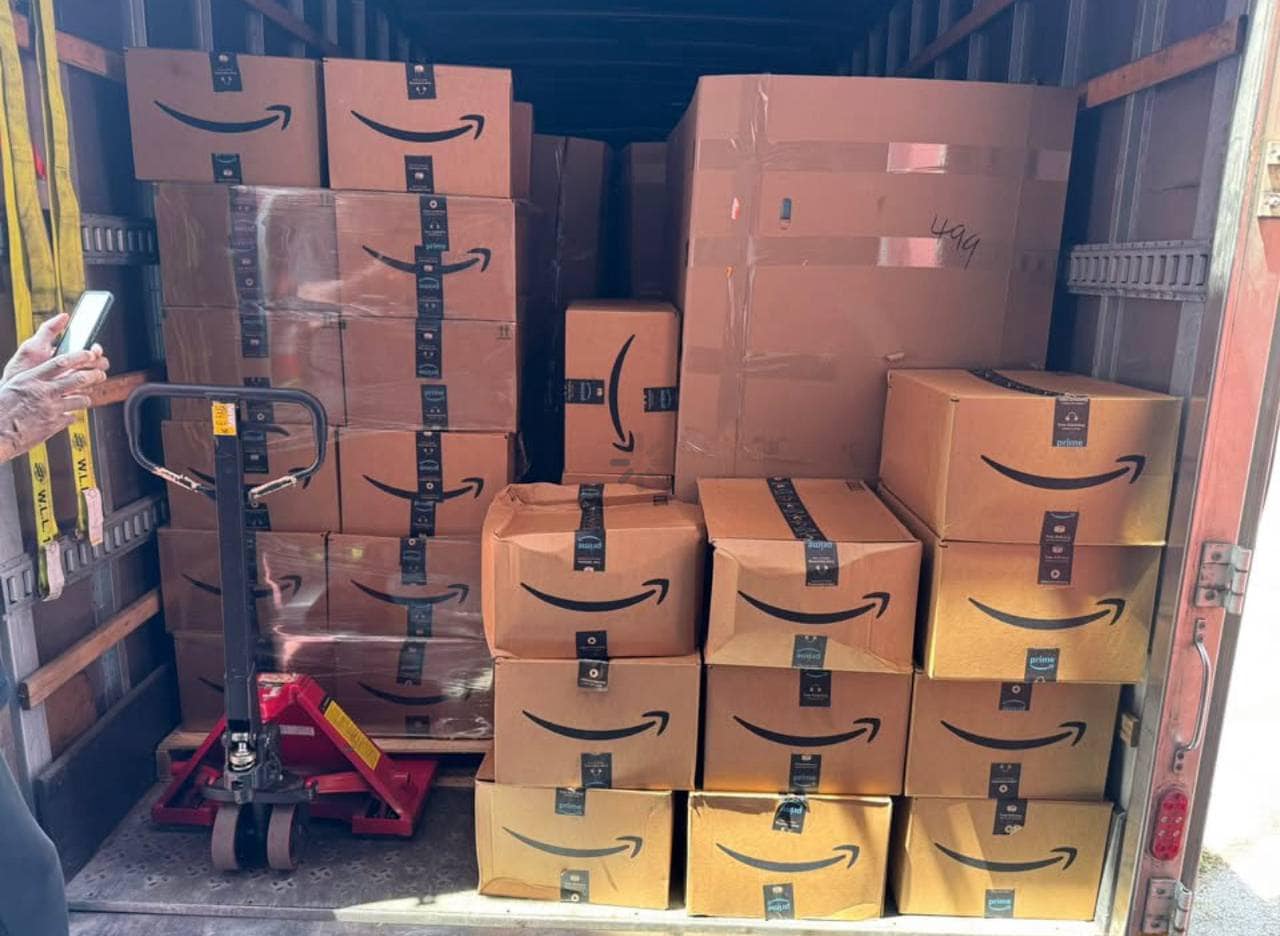
Packaging: Sealed Mystery Boxes (Freight Wrapped)
Shipping Area: Fast Freight Delivery Worldwide (USA-based seller with international options)
-
Risk factor: Many items are untested returns, so condition can vary.
-
Shipping & freight costs can add up, especially internationally.
-
Storage & inspection: you’ll likely need space and time to sort-and-test items.
-
Resale strategy: profitable mainly if you plan to resell individual items.
-
No guarantees on specific items inside — it’s a mystery.
Key takeaways
Before you bid on your first pallet, understand these critical points:
- Mystery is High Risk: An Amazon mystery box pallet is “unmanifested.” You are buying blind, which means you could get high-value electronics or a pallet of broken home goods.
- “Amazon” is a Source, Not the Seller: Amazon does not sell these pallets directly to the public. They are sold by a network of official third-party liquidation companies.
- Costs Add Up: The pallet’s sticker price is just the beginning. You must factor in freight shipping (which can cost as much as the pallet), storage space, and the labor to sort, test, and clean items.
- Scams are Common: The “mystery box” concept is popular with scammers. Always buy from verified, well-known liquidation platforms, not from social media pop-up ads.
- Profit is Not Guaranteed: Success depends on strategy, luck, and your ability to repair, refurbish, and find buyers for a huge variety of goods. This is a business model, not a lottery ticket.
Ready to see what’s inside the box? Browse our current inventory of unmanifested return pallets.
Amazon Mystery Box Pallet
The term “Amazon mystery box pallet” has become a viral sensation, particularly on social media platforms where unboxing videos attract millions of views. At its core, this term refers to a pallet of customer returns, overstock, or warehouse-damaged items liquidated by Amazon, which is then sold to a reseller without a detailed manifest.
This lack of a manifest is the key. You are buying “blind.” These pallets are the ultimate gamble for a reseller. They tap into the same psychology as a treasure hunt, promising the chance to find a “unicorn” item (like a new laptop or high-end electronics) hidden among the chaos of common returns.
Typically, these pallets contain a mix of categories. You might find a single pallet with electronics, home and kitchen goods, clothing, toys, and beauty products all mixed together. The allure is paying pennies on the dollar for items you can flip for a significant profit.
Are Amazon Mystery Boxes A Scam?
This is the most common question, and the answer is nuanced: the concept is not a scam, but the industry is filled with them. A legitimate Amazon mystery box pallet is simply an unmanifested lot of returns sold by a verified liquidator. You are paying for a pile of goods, and that is what you get.
However, the “mystery” element is easily exploited. Scammers create fake websites or social media ads promising unbelievable value, like “Pallets of New iPhones for $100.” These are almost universally fraudulent.
Here are the most common red flags to watch for:
- Unrealistic Promises: If it sounds too good to be true, it is. No liquidator will sell a pallet of guaranteed high-value items for a “mystery” price.
- “Too New” Sellers: Scammers set up new social media pages or websites that disappear after taking payments.
- No Physical Address: Legitimate liquidators have warehouses. If you cannot find a physical address for the company, be cautious.
- Unusual Payment Methods: Be wary of sellers who only accept cryptocurrency, wire transfers, or cash-sharing apps.
Trust is built on transparency. While the contents are a mystery, the seller should not be. Stick to large, established liquidation platforms with a long history and public reviews.
Does Amazon Sell Mystery Pallets?
This is a critical distinction. No, Amazon.com does not sell mystery pallets directly to the public. You cannot go on Amazon’s website and buy a pallet of returns.
Amazon’s business is selling new goods. When items are returned, they enter a massive “reverse logistics” pipeline. Amazon’s goal is to process these returns as efficiently as possible. A small portion may be restocked and sold as “Used” or “Renewed” on Amazon Warehouse.
The vast majority, however, are sold by the truckload to official liquidation partners. These partners are large-scale B2B companies that have contracts with Amazon (and other major retailers like Target or Walmart) to buy this inventory in bulk. These liquidators then break down the truckloads and sell them as individual pallets to smaller resellers like you.
How Much Does It Cost To Buy An Amazon Return Pallet?
The price of a pallet is not just what you pay in the auction. A smart reseller calculates the Total Landed Cost, which includes the pallet price, shipping, and all associated fees.
The pallet’s auction or “Buy Now” price can vary dramatically based on the seller, the potential category (even if unmanifested), and the size. Shipping is the biggest variable and can sometimes cost more than the pallet itself.
Before you buy, it’s essential to understand the potential costs. The table below provides common price ranges for Amazon return pallets, before freight shipping costs are applied.
| Pallet Size / Type | Estimated Cost Range (USD) | Typical Contents & Who It’s For |
| Small / “Mystery Box” | $100 – $500 | A single large box or small pallet. Good for beginners who want to test the market with low capital. |
| Standard Pallet (LTL) | $300 – $1,000 | A 48″x40″ pallet. This is the most common size, offering a mix of goods. Ideal for experienced resellers. |
| “Tall” Pallet (LTL) | $800 – $2,000+ | A pallet stacked 6-7 feet high. Higher volume and cost, requiring more space and labor to process. |
| Category-Specific (Unmanifested) | $500 – $1,500 | e.g., “Unmanifested Electronics” or “Unmanifested Home Goods.” Less mystery, but still a gamble on condition. |
These prices are just the starting point. Always get a freight quote before placing a bid. A $400 pallet shipping from across the country can easily cost $300-$500 in freight, turning a potential deal into a major loss.
Things To Check Before Buying An Amazon Return Pallet?
Buying an Amazon mystery box pallet is not a casual purchase. It is a business investment. Before you spend a single dollar, you must have a plan. Use this checklist to see if you are truly ready.
- Do you have a business plan? The U.S. Small Business Administration (SBA) advises all new ventures to plan their business first. This includes knowing your budget, your target customer, and your goals.
- Where will you sell? Do you have accounts on eBay, Poshmark, or Facebook Marketplace? Do you have a local flea market booth or a retail store?
- Do you have the space? A single pallet takes up about 12 square feet of floor space, but the contents will fill a garage. You need a dedicated, dry, and secure area for sorting.
- Do you have the time? A single pallet can take 20-40 hours to properly sort, test, clean, photograph, list, and ship.
- What is your Total Landed Cost budget? Do not just budget for the pallet. Budget for Pallet Price + Freight Shipping + Listing Fees + Shipping Supplies.
Evaluating The Condition Of Amazon Warehouse Return Pallets
When buying manifested pallets, you can judge the condition from the list. With a mystery pallet, you are relying on the seller’s general description. Even so, it’s crucial to understand the language liquidators use.
The condition of returned items is the single biggest factor in your profitability. According to e-commerce platform Shopify, about 16.9% of all online purchases were returned in 2024. These returns happen for many reasons, from “wrong size” to “defective.”
The table below breaks down the common condition grades you will encounter. A typical mystery pallet will contain a mix of all of them.
| Condition Grade | What It Means | Resale Potential |
| New / Overstock | Brand new, in original packaging. Never sold to a customer. | Excellent. Can be sold as “New.” |
| New Open Box (A-Stock) | Customer return, packaging is open but the item is unused. | Very Good. Often sold as “Open Box” or “Like New.” |
| Used – Good (B-Stock) | Item shows light signs of use. Fully functional. | Good. Must be sold as “Used.” Needs testing and cleaning. |
| Used – Functional (C-Stock) | Item is heavily used or has cosmetic damage but still works. | Fair. Lower profit margin. May need minor repairs. |
| Salvage / For Parts | Item is broken, defective, or incomplete. | Poor. Only valuable for parts. High percentage is “trash.” |
Upon arrival, your first job is to “triage” the pallet. Sort every item into these categories. This helps you quickly identify your high-profit items and your sunk costs.
Are Mystery Boxes Worth The Money?
This depends entirely on your goals, your tolerance for risk, and your operational efficiency. For some, they are a fast track to high-margin inventory. For others, they are a costly lesson.
An unmanifested pallet is a “Problem, Agitation, Solution” scenario.
- Problem: You need cheap inventory to resell.
- Agitation: Buying items one by one is expensive and time-consuming.
- Solution: Buy a mystery pallet for pennies on the dollar.
But this solution introduces new problems: risk, trash, and time. To help you decide, we’ve outlined the primary pros and cons of investing in an Amazon mystery box pallet.
| Pros (The Potential) | Cons (The Reality) |
| Extremely Low Cost-Per-Item: This is the #1 reason to buy. Your average cost per piece can be cents. | High Percentage of “Trash”: You will get broken, unsellable, and low-value items. |
| High-Profit “Unicorns”: The thrill is real. You could find a high-end electronic or designer item. | No Guarantees: You could also get a pallet of used bedding and broken coffee mugs. |
| Inventory Variety: You get a wide range of products, allowing you to test new markets and categories. | Time Intensive: Sorting, testing, cleaning, and listing hundreds of different items is a massive time sink. |
| The “Thrill” Factor: Let’s be honest, it’s fun. The unboxing process can be exciting. | High Upfront Cost: You must pay for the pallet and freight all at once, which can be $1,000+. |
Mystery boxes are worth the money only if you have a system to process them efficiently and can absorb the cost of the inevitable “junk” items.
What Are The Risks Of Buying Mystery Boxes?
The risks are not just financial. The biggest risk of an Amazon mystery box pallet is that you are buying unknowns. You must be prepared for the following:
- Financial Risk: This is the most obvious. You could spend $1,000 on a pallet and find it only contains $500 worth of sellable goods. You must have the cash flow to absorb a potential loss.
- Logistical Risk: Where will you put it? Do you have a loading dock or forklift? If not, you must pay extra for “liftgate” service from the freight company.
- Emotional Risk: It can be demoralizing to spend a weekend sorting through a pallet only to find it’s mostly “trash.” This “unboxing burnout” is a real risk for resellers.
- Legal Risk: While rare, you could encounter counterfeit items or recalled products. You are responsible for what you sell. The Federal Trade Commission (FTC) holds sellers accountable for their merchandise, so you must adhere to consumer protection laws.
A real-world example: A reseller might buy a $700 pallet, hoping for electronics. Instead, they receive 300 units of a single, expired beauty cream. The financial loss is total. This is the gamble of unmanifested lots.
Where To Find Amazon Pallets For Sale?
You cannot buy these pallets from Amazon, so where do you go? You must buy from the official liquidation companies that partner with Amazon and other major retailers.
These platforms are the B2B marketplaces that connect retailers’ overstock to resellers. They come in two main formats: auction sites (where you bid) and fixed-price sites (where you “buy it now”).
Here is a brief overview of the most trusted and well-known liquidation platforms in the industry.
| Liquidation Platform | Primary Model | What They Sell |
| B-Stock | Auction | Runs official liquidation portals for top retailers, including Amazon. |
| Liquidation.com | Auction | One of the largest marketplaces with goods from many sources, including Amazon. |
| Direct Liquidation | Auction & Fixed-Price | Sells pallets and truckloads from major retailers. Strong in electronics and tools. |
| BULQ | Fixed-Price | Sells “cases” and “pallets” at set prices. Known for transparent manifests. |
| 888Lots | Fixed-Price & Auction | Offers a mix of manifested and unmanifested lots. |
Always do your research. Before buying from any platform, read reviews, understand their fee structure, and get a shipping quote. Check our own platform’s live auctions to see how the process works.
Broaden The Net With Multi-Retailer Exchanges
While the “Amazon” brand is powerful, do not limit yourself. Amazon returns are often considered “messier” than returns from other stores due to the sheer variety.
Platforms that offer “multi-retailer” pallets (e.g., from Target, Walmart, or Home Depot) can be a great alternative. These lots are often more focused. For example, a Home Depot pallet will be almost entirely tools and home improvement items. This makes it easier to manage your inventory and target a specific customer base.
The pros of mixed-brand pallets are a more predictable inventory. The con is that you may not get the same “treasure hunt” appeal as a true Amazon mystery box pallet.
What Is The Amazon Return Pallet Program?
There is no single “Amazon Return Pallet Program” with a formal name. The term simply describes the entire reverse logistics process that Amazon uses to manage its tens of millions of returned items.
This “program” is a complex, data-driven system. When you return an item, it goes to a processing center. An employee or AI system grades it.
- Can it be resold as new? If yes, it’s repackaged and restocked.
- Can it be resold as used? If yes, it may go to Amazon Warehouse.
- Is it defective, low-value, or in a high-return category? If yes, it is marked for liquidation.
These “liquidate” items are routed to massive sorting centers, where they are bundled onto pallets. Amazon’s goal is to recover some value, even if it’s just 5 cents on the dollar. They sell these pallets in bulk to their liquidation partners, who then sell them to you.
How Do Amazon Warehouse Returns End Up In Pallets?
The journey from a customer’s doorstep back to a reseller’s pallet is a masterclass in reverse logistics. As Amazon’s own seller guides explain, this process is about recapturing value and minimizing loss.
When a customer returns a product, it rarely goes back to the original seller. It is sent to one of Amazon’s massive fulfillment centers or a dedicated returns-processing facility.
There, the item is inspected. If the packaging is damaged or the item is used, it cannot be sold as new. It is far too expensive for Amazon to manually inspect, clean, test, and repackage every single one of the millions of items returned each year.
It is cheaper and more efficient to bundle these “C-Stock” or “Used” items onto a pallet and sell it for a low, fixed price to a liquidator. That liquidator then passes the “as-is” pallet to you, transferring the risk (and the potential reward) down the chain.
How To Source Return Pallets Strategically?
Amateurs buy mystery pallets. Professionals source inventory. The difference is strategy. Relying on luck is not a business plan. A strategic buyer uses data and planning to improve their return on investment (ROI).
Your sourcing strategy should be data-driven. Look at seasonal trends. For example, “Toy” pallets will be cheaper after Christmas, but “Sporting Goods” pallets will be hot in the spring.
A great analysis by SellerApp, a B2B e-commerce platform, highlights that successful resellers treat this as a data-driven business. They know their numbers. This is how you move from gambling to investing.
Match The Pallet To Your Operational Capability
Do not buy a pallet of furniture if you drive a sedan and live in a one-bedroom apartment. This seems obvious, but it is the most common rookie mistake.
Before you bid, ask:
- Can I receive it? Do I have a loading dock or will I need a liftgate?
- Can I store it? Do I have a garage or storage unit?
- Can I process it? Do I have the tools to test electronics? Do I have thestain removers to clean apparel?
- Can I sell it? Do I have a market for these specific goods?
Buying a pallet of “Lawn Mowers” in October might be cheap, but you will have to store them until April. Your operational capability dictates what you can (and should) buy.
Using Data To Evaluate Amazon Mystery Box Profitability
Even when buying a “mystery” pallet, you must track your profitability. This is the only way to know if your business is working. You must create your own manifest after the pallet arrives.
Here is a simple template for tracking your profit and loss on a single pallet. Use a spreadsheet to track every item.
| Metric | Calculation / Example |
| 1. Total Landed Cost | (Pallet Price: $500) + (Freight: $300) = $800 |
| 2. Total Items | You sort the pallet and find 250 individual items. |
| 3. Average Cost Per Item | ($800) / (250 items) = $3.20 per item |
| 4. Sellable Items | You find 100 items are trash. You have 150 sellable items. |
| 5. Average Cost Per Sellable Item | ($800) / (150 sellable items) = $5.33 per item |
| 6. Total Revenue | You sell all 150 items for an average of $15 each = $2,250 |
| 7. Net Profit | ($2,250 Revenue) – ($800 Cost) = $1,450 |
This data is crucial. It tells you your true cost of goods and your profit margin. If you do not track this, you are just guessing.
Map Out Local Warehouses Before You Buy Online
Shipping is the profit killer. A $400 pallet can cost $400 to ship. The easiest way to eliminate this cost is to buy from a local liquidation warehouse and pick it up yourself with a truck or trailer.
Almost all major liquidators, including many on our platform, have physical warehouse locations across the country.
Search online for “liquidation warehouse near me.” Call them. Ask if they sell to the public and what their inventory looks like. Going in person allows you to inspect the pallet (even if it’s unmanifested, you can see the general quality) and build a relationship with the warehouse manager.
This single step can double your profit margin by cutting your “Total Landed Cost” in half.
Why Are Return Pallets Popular Among Resellers?
The popularity of the Amazon mystery box pallet comes down to one thing: a low barrier to entry for acquiring massive inventory.
For a few hundred dollars, a new reseller can acquire hundreds of products to sell. This is impossible to do through traditional wholesale or retail arbitrage.
The benefits are clear:
- Low Buy-In: It is the cheapest way to get your hands on a high volume of goods.
- High-Profit Potential: The margins on the “good” items can be enormous.
- Inventory Variety: It’s a simple way to fill an online store or a flea market booth with a wide variety of items.
- The “Recommerce” Trend: Consumers are increasingly open to buying used, open-box, and refurbished goods. You are meeting this demand.
Resellers are the entrepreneurs who see value where others see waste. Return pallets are the raw material for this growing “recommerce” or circular economy.
My Experience Buying An Amazon Mystery Box
We hear stories from resellers every day. A common one sounds like this:
“I bought my first Amazon mystery box pallet for $600. The freight was another $350. My all-in cost was $950. When it arrived, my heart sank. The top layer was all damaged books and phone cases.
I spent the first day sorting and felt like I’d been scammed. But on day two, I got to the middle of the pallet. Tucked inside a box of broken kitchen items was a brand new, sealed-box drone. I sold it the next day for $700.
After sorting everything, I had a ‘trash’ pile that filled 10 garbage bags. But I also had the drone, two brand new robot vacuums, and about 100 other small items I could sell for $10-$15 each. My total sales from that $950 pallet were just over $2,800. It was a ton of work, but I was hooked.”
This is the classic mystery pallet experience: a mix of trash and treasure.
Final Thoughts: Is It Profitable To Resell Items From Amazon Return Pallets?
Yes, it can be extremely profitable to resell items from an Amazon mystery box pallet. But it is never easy or guaranteed.
Profitability does not come from the “luck” of finding a high-value item. It comes from:
- Smart Sourcing: Buying at the right price and minimizing shipping costs.
- Efficient Operations: Sorting, testing, and listing items quickly.
- Multi-Platform Selling: Knowing where to sell each item (e.g., eBay for collectibles, Poshmark for fashion, Facebook for large items).
- Financial Discipline: Tracking your costs and holding back profit to buy the next pallet.
If you treat it as a gamble, you will eventually lose. If you treat it as a business, you have a strong chance to build a successful and scalable enterprise.
Frequently Asked Questions About Amazon Mystery Box Pallet
Are Amazon Mystery Box Pallets Real Or Just A Scam?
They are very real, but you must buy them from the right source. The “scam” part comes from fake websites and social media ads that promise unrealistic value. Real mystery pallets are sold by established liquidation companies and are always a high-risk, high-reward gamble.
Why Do So Many Amazon Mystery Box Scams Appear Online?
The term “mystery box” is very appealing and has a viral, “get rich quick” feel. Scammers exploit this excitement by creating fake offers that are too good to be true. They rely on a buyer’s fear of missing out. Always stick to verified liquidators. You can find a list of trusted, registered sellers in our vetted marketplace directory.
Related products
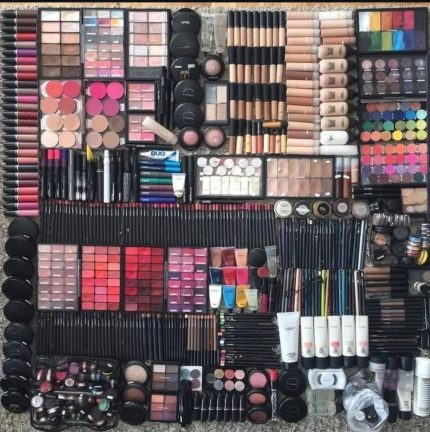
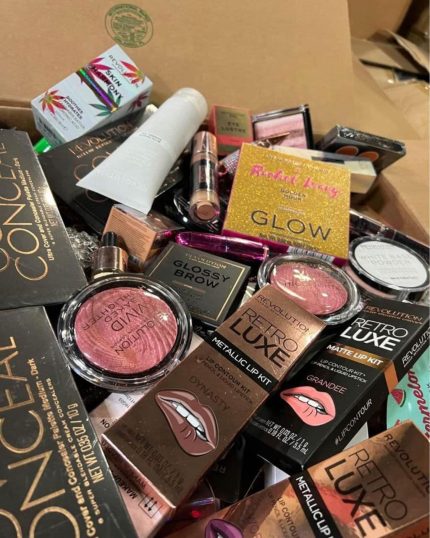
Buy High End Makeup Liquidation Pallets (200 + Items From ~$400)
Status: In Stock – Limited Quantity
Seller: Verified Beauty Liquidation Specialists
Source: Overstock, Shelf Pulls, & Customer Returns from Major Retailers
Condition: Mixed – Majority New/Like-New, Some Shelf Pulls & Returns
Brands & Items per Pallet: Includes luxury names (e.g., MAC, Estée Lauder, Fenty Beauty) with 200+ assorted items (lipsticks, palettes, foundations, primers)
Shipping Area: USA (Worldwide freight forwarding often available)
Business Requirements: Some suppliers require resale certificates or business account registration
What You Need to Know Before Buying:
-
Brand Mix & Authenticity: Ensure the pallet lists recognizable luxury brands and offers authenticity guarantees.
-
Condition Clarity: Confirm what percentage is new vs. shelf-pulled vs. returns, as this affects resale value and condition risks.
-
Shipping & Freight Costs: Pallets are heavy and bulky—freight charges can significantly add to cost.
-
Market Demand & Resale Channels: Luxury cosmetics have higher margins, but you need the right channels (online store, boutique, social selling) to maximize profit.
-
Inspection / Manifest Review: Always ask for a manifest listing item counts, brands and conditions to assess risk and potential profit.
Detailed Breakdown by Brand
MAC Cosmetics (40 to 60 Items)
Sizes: Full-size lipsticks, eyeshadows, bronzers, and setting sprays.
Note: Often includes Studio Fix, Prep + Prime, and seasonal collection overstock.
Fenty Beauty (20 to 40 Items)
Sizes: Full-size foundations, highlighters, and glosses.
Note: Popular SKUs like Pro Filt’r Soft Matte, Killawatt, and Gloss Bomb appear frequently.
Charlotte Tilbury (15 to 30 Items)
Sizes: Full-size lipsticks, powders, quads.
Note: Includes Pillow Talk line, Airbrush powder, and holiday gift sets.
NARS (20 to 30 Items)
Sizes: Full-size blushes, bronzers, lipsticks.
Note: Orgasm collection, Laguna bronzer, and mini kits often included.
Dior Makeup (10 to 20 Items)
Sizes: Full-size lipsticks, foundations, skincare-cross products.
Note: Dior Backstage items, Rouge Dior, and Forever Foundation show up occasionally.
Urban Decay (20 to 30 Items)
Sizes: Palettes, setting spray, liners.
Note: Naked palettes, All Nighter spray, and glide-on pencils are common.
Too Faced (15 to 25 Items)
Sizes: Eye palettes, primers, lip products.
Note: Chocolate Bar, Born This Way foundation, and Better Than Sex mascara included.
Tarte (20 to 30 Items)
Sizes: Foundation, concealer, palettes, blush.
Note: Shape Tape concealer and Amazonian Clay palettes are high-revenue items.
Example Distribution (Realistic Mix) – Total: 200 Items
Premium Brands (Approx. 80 Items)
-
MAC: 25 items
-
Charlotte Tilbury: 15 items
-
Fenty Beauty: 20 items
-
NARS: 20 items
High-End Brands (Approx. 60 Items)
-
Urban Decay: 20 items
-
Too Faced: 20 items
-
Tarte: 20 items
Luxury Brands (Approx. 20 Items)
-
Dior: 10 items
-
YSL Beauty: 10 items
Mid-Range Brands (Approx. 40 Items)
-
Morphe: 20 items
-
Benefit Cosmetics: 20 items
Brief Manifest (Sample Pallet Contents)
-
Foundations: 35 units (Various shades, MAC, Dior, Fenty)
-
Eyeshadow Palettes: 25 units (Urban Decay Naked, Too Faced, Tarte)
-
Lipsticks/Glosses: 60 units (Mixed brands)
-
Concealers: 20 units (Tarte Shape Tape, NARS)
-
Bronzers/Blushes/Highlighters: 30 units (MAC, NARS, Fenty)
-
Setting Sprays: 10 units (Urban Decay, MAC)
-
Primers: 10 units
-
Mascaras & Liners: 35 units
-
Gift Sets: 5 units (Seasonal overstock)
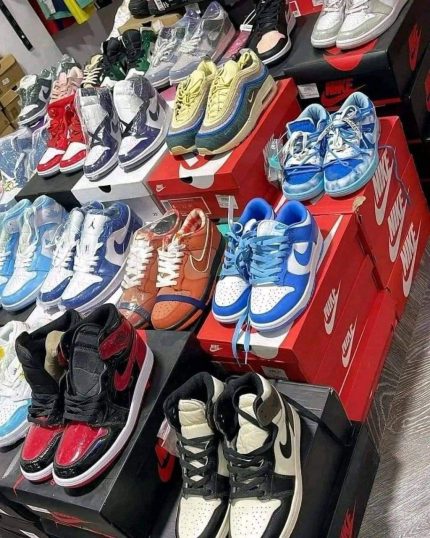
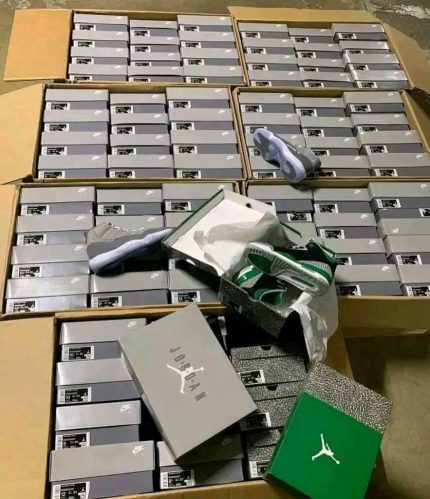
Buy Jordan Liquidation Pallets (50+ Authentic Pairs – $650)
Status: In Stock – Limited Quantity
Seller: Verified Jordan/Overs-tock Liquidator
Source: Jordan/Nike overstock, shelf-pulls, customer returns
Condition: Mixed – ~60% Brand New, ~30% Like-New/Returns, ~10% Clearance/Refurbished
Items per Pallet: 40–60 pairs (Men’s, Women’s, Mixed Sizes & Styles)
Distribution Agreement Required: Usually No (varies by seller)
Shipping Area: United States (many also ship internationally)
What you need to know before you buy:
-
Inventory Content: These pallets contain a mix of models and sizes, from classic retro to trending releases, which means you may get high-demand Jordans alongside slower-selling ones.
-
Profit Potential: Because you’re buying in bulk at a low per-pair cost (sometimes ~$13/pair in liquidation deals) you can unlock high ROI—especially if you identify and market the high-value models.
-
Risk Factors: You must check authenticity, and review the condition/manifest carefully. Counterfeits, mis-sized pairs, or heavy damage can reduce profit drastically. Operating with a trustworthy supplier is key.
Detailed Breakdown by Model
Air Jordan 1 (15 to 20 Pairs)
Sizes: 6 to 13 mixed
Notes: Includes High, Mid, Low variations. Often includes popular colorways and seasonal drops.
Air Jordan 4 (8 to 12 Pairs)
Sizes: 7 to 14 mixed
Notes: High resale value. May include Fire Red, Thunder, Infrared, or similar retro releases.
Air Jordan 11 (5 to 8 Pairs)
Sizes: 7 to 14
Notes: Includes standard and holiday releases. Popular models include Concord variations or Space-inspired colorways.
Air Jordan 3 (5 to 7 Pairs)
Sizes: 7 to 14
Notes: Often includes retro restock pairs with classic colorways.
Air Jordan 5 & 6 (5 to 10 Pairs Combined)
Sizes: 7 to 14
Notes: Common in liquidation pallets due to retail overstock and returns.
GS Jordan Models (6 to 12 Pairs)
Sizes: 3Y to 7Y
Notes: Includes Jordan 1 GS, Jordan 4 GS, and seasonal restocks.
Example Pallet Manifest (Realistic Mix – 55 Total Pairs)
High-Demand Models (25 Pairs)
-
Air Jordan 1 High/Mid/Low: 15 pairs
-
Air Jordan 4 Retro: 10 pairs
Seasonal & Retro Models (15 Pairs)
-
Air Jordan 3: 6 pairs
-
Air Jordan 5: 5 pairs
-
Air Jordan 6: 4 pairs
Premium / Collector Models (5 Pairs)
-
Jordan 11 Retro: 5 pairs
GS Sneakers (10 Pairs)
-
Jordan 1 GS: 5 pairs
-
Jordan 4 GS: 5 pairs
Condition Breakdown
-
70 percent brand new
-
20 percent like-new
-
10 percent minor box damage or light cosmetic flaws
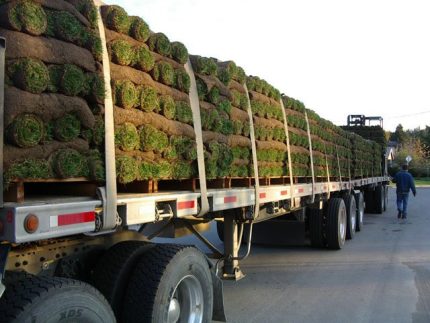
Buy Pallet Of Sod (50 pieces/450 square feet – $350)
Availability: In Stock – While Supplies Last
Categories: LANDSCAPING SUPPLIES / SOD PALLETS
From: From ≈ $350 (bulk wholesale)
Status: In Stock – Limited Quantity
Seller: Verified Sod Farm or Landscaping Wholesale Supplier
Source: Fresh-cut sod from farm, cut to order for pallets
Condition: Brand New, Farm Fresh, Ready to Install
Coverage per Pallet: Approx. 450-500 sq ft (varies by supplier)
Delivery / Shipping Area: Local delivery or pickup in USA (may vary by region)
Installation Note: Remove old grass, prep soil, install immediately after delivery for best results.
What users really want to know before they buy:
-
Variety & climate suitability: Different grass types (fescue, Bermuda, Zoysia, etc.) perform better in certain zones.
-
Delivery & freshness: Sod should be cut fresh, delivered quickly and installed immediately to avoid drying out.
-
Extra costs: Price often covers sod only — soil preparation, old turf removal, and delivery may add significantly.
-
Coverage calculation: Ensure you order enough pallets + 5-10% extra for waste/seams.
-
Installation timing: Lay sod as soon as possible after delivery, keep it well-watered and rolled for best establishment.
Detailed Breakdown by Sod Type
Bermuda Sod (Ideal for High-Traffic Lawns)
Coverage: 450 sq ft per pallet
Root Strength: Very strong
Note: Perfect for sunny areas, sports fields, and durable home lawns.St. Augustine Sod (Thick, Carpet-Like Texture)
Coverage: 450 sq ft per pallet
Shade Tolerance: Moderate
Note: Popular in warm climates; broad blades and lush look.Zoysia Sod (Luxury Lawn Option)
Coverage: 450 sq ft per pallet
Maintenance: Low
Note: Dense, soft, and weed-resistant; premium curb-appeal choice.Centipede Sod (Low-Maintenance Favorite)
Coverage: 450 sq ft per pallet
Water Needs: Low
Note: Great for homeowners who want a green lawn with minimal upkeep.Fescue Sod (Cool-Season Grass)
Coverage: 450 sq ft per pallet
Shade Tolerance: High
Note: Ideal for cooler states and shaded yards.Example Pallet Manifest – Total: 50 Sod Pieces (450 Sq Ft)
Fresh-Cut Grass Slabs:
-
50 uniform-cut sod squares
-
Moist soil backing for fast rooting
-
Average piece size: 16” x 24”
-
Ready to install same day for best results
Moisture Level:
-
Pre-watered before shipping
-
Heat-protected freight wrapping included
Quality Control Checklist:
-
Zero weed patches
-
Disease-free certification
-
Even cut thickness for smooth laying
What’s Inside the Pallet (Realistic Mix)
Applies to customers choosing Mixed Sod Type option:
Warm-Season Mix (Common in Southern States)
-
20 pieces Bermuda
-
20 pieces St. Augustine
-
10 pieces Zoysia
Cool-Season Mix (Common in Northern States)
-
30 pieces Fescue
-
20 pieces Kentucky Bluegrass
-
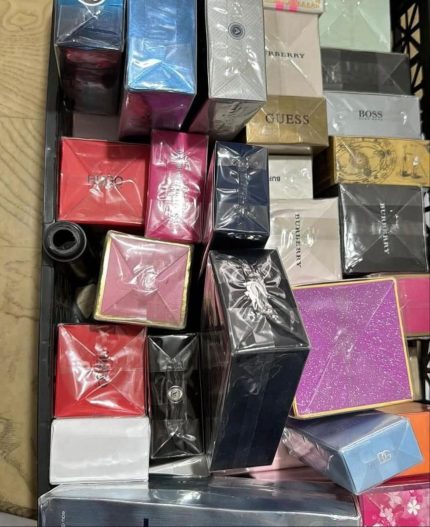
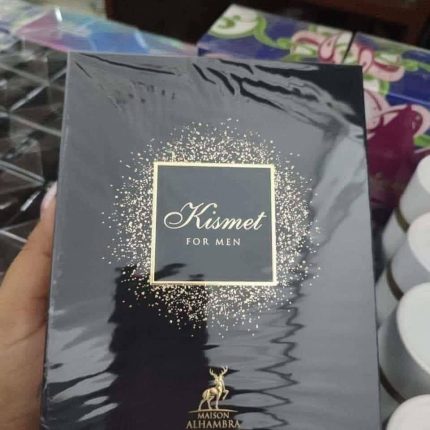
Buy Perfume Liquidation Pallets (100-600 items From $500)
Status: In Stock – Limited Quantity
Seller: Verified Perfume Liquidation Supplier
Source: Overstock + Returns + Closeout Inventory
Condition: Mixed – Brand New Sealed, Shelf-Pulls & Overstock Items
Brands & Sizes: Top designer brands (e.g., Chanel, Dior, Gucci, YSL) in full size, minis & gift sets
Items per Pallet: Typically 100-600 items depending on supplier
Shipping Area: U.S. Domestic & International Freight Available
What you want to know before you buy:
-
These pallets usually contain a blend of genuine, name-brand perfumes sourced from overstock, shelf-pulls or returns. One supplier describes them as “bulk shipments of excess… sold by wholesalers at a fraction of retail price.”
-
The profit potential can be high: Some listings show pallets purchased for ~ $1,200 that claim resale values of $8,000-$10,000.
-
Key factors to check: authenticity (sealed packaging, trusted brands), manifest (what items/brands/sizes you’re getting), condition (new vs shelf-pull), shipping costs and duties especially for international orders.
-
Use cases: online marketplace sellers (eBay, Amazon), brick-and-mortar boutiques, gift shops, or building bundles/gift sets.
Detailed Breakdown by Brand (Common Mixes)
Chanel (20–45 Items)
Sizes: 35ml, 50ml, 100ml
Notes: Often includes Bleu de Chanel, Coco Mademoiselle, Chance, No. 5
Dior (15–40 Items)
Sizes: 30ml, 50ml, 100ml
Notes: J’adore, Miss Dior, Dior Homme, Sauvage (high resale value)
Yves Saint Laurent – YSL (15–35 Items)
Sizes: 50ml, 90ml, 100ml
Notes: Black Opium, Libre, Y, La Nuit de L’Homme
Tom Ford (10–20 Items)
Sizes: 30ml, 50ml, 100ml
Notes: Black Orchid, Ombre Leather, Tobacco Vanille, Neroli Portofino
Valentino (10–25 Items)
Sizes: 30ml, 50ml, 100ml
Notes: Born In Roma, Uomo, Voce Viva
Gucci (10–20 Items)
Sizes: 30ml, 50ml, 100ml
Notes: Guilty, Bloom, Flora, Memoire
Versace (20–40 Items)
Sizes: 30ml, 50ml, 100ml
Notes: Eros, Bright Crystal, Dylan Blue
Armani (15–30 Items)
Sizes: 30ml, 50ml, 100ml
Notes: Si, Acqua di Gio, My Way
Celebrity Brands (20–60 Items)
Notes: Ariana Grande, Britney Spears, Rihanna, JLo
Mid-Range Brands (25–60 Items)
Notes: Calvin Klein, Burberry, Guess, Mont Blanc, Nautica
Example Pallet Manifest (Realistic Mix – Total: 300 Items)
High-End Designer (Approx. 60 Items)
-
Chanel: 15 units
-
Dior: 15 units
-
Tom Ford: 10 units
-
YSL: 10 units
-
Gucci: 10 units
Mid-Range Designer (Approx. 120 Items)
-
Versace: 20 units
-
Armani: 20 units
-
Burberry: 20 units
-
Calvin Klein: 30 units
-
Mont Blanc: 30 units
Celebrity & Trendy Perfumes (Approx. 80 Items)
-
Ariana Grande: 20 units
-
Britney Spears: 20 units
-
JLo: 20 units
-
Rihanna: 20 units
Boutique / Tester / Shelf Pull Mix (Approx. 40 Items)
-
Boutique brands: 25 units
-
Retail testers (like-new): 15 units
Condition Breakdown
-
70 percent Brand New & Factory Sealed
-
20 percent Like-New Testers or Open Box
-
10 percent Customer Returns (fully functional bottles)
Why Resellers Love This Pallet
-
Includes fast-moving designer brands
-
Strong margins on Tom Ford, Dior, YSL, and Chanel
-
Easy resale on eBay, Amazon, Mercari, Facebook Marketplace, and boutiques
-
Units with small imperfections still sell quickly at discount prices
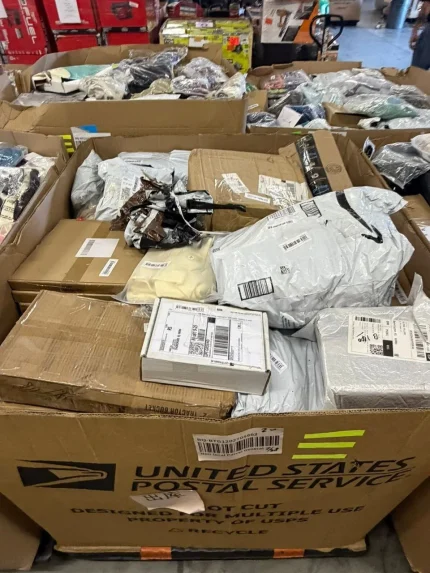
Buy Unclaimed Packages For $1 (500 Items – $500) – Mail Pallets
Status: In Stock
Seller: Verified U.S. Unclaimed Mail Liquidator
Source: USPS Lost Mail, Amazon Returns, Undeliverable Parcels, Overstock
Condition: Mixed – New, Like-New, and Customer Returns
Items per Pallet: 500+ Assorted Mystery Items
Distribution Agreement Required: No
Shipping Area: Fast Freight Delivery Worldwide
Detailed Breakdown by Category
Electronics (90–120 Items)
Sizes: Small to medium boxed items
Notes: Usually includes earbuds, small speakers, handheld gadgets, mini projectors, charging sets, LED accessories.
Apparel & Accessories (150–180 Items)
Sizes: XS to XXL, mixed adult and youth
Notes: Includes T-shirts, leggings, hats, belts, socks, lightweight jackets, and fashion accessories.
Home & Kitchen (80–110 Items)
Sizes: Small kitchen tools, compact appliances
Notes: Coffee tools, organizers, LED lights, cleaning tools, décor, utensils.
Toys & Games (40–70 Items)
Sizes: Small to medium
Notes: Figurines, puzzles, kids’ toys, art supplies, building kits.
Beauty & Personal Care (50–70 Items)
Sizes: Travel, full-size
Notes: Skincare, hair care, grooming kits, beauty accessories.
Tools & Outdoor Gear (20–40 Items)
Sizes: Small hand tools and compact outdoor items
Notes: Wrenches, LED flashlights, multi-tools, camping accessories.
Example Manifest (Realistic Mix) – Total: 500 Items
Electronics – Approx. 100 Items
-
Earbuds & Wired Headphones: 30
-
Bluetooth Speakers: 15
-
Charging Cables & Power Banks: 25
-
Smartwatch Bands & Accessories: 20
-
Mini Projectors & LED Gadgets: 10
Apparel & Accessories – Approx. 160 Items
-
T-Shirts: 40
-
Leggings/Joggers: 30
-
Hats & Beanies: 25
-
Socks & Underwear Packs: 30
-
Belts & Fashion Accessories: 35
Home & Kitchen – Approx. 90 Items
-
LED Home Lights: 20
-
Organizers & Containers: 25
-
Kitchen Tools: 30
-
Small Appliances (Mini Mixers, Kettles): 15
Beauty & Personal Care – Approx. 60 Items
-
Skincare Items: 20
-
Haircare Products: 20
-
Grooming/Beauty Tools: 20
Toys & Games – Approx. 50 Items
-
Small Toys & Figurines: 20
-
Arts & Craft Kits: 20
-
Puzzles & Mini Games: 10
Tools & Outdoor Gear – Approx. 40 Items
-
Small Hand Tools: 15
-
Flashlights & LED Work Lights: 10
-
Camping/Outdoor Items: 15
Reviews
There are no reviews yet.