


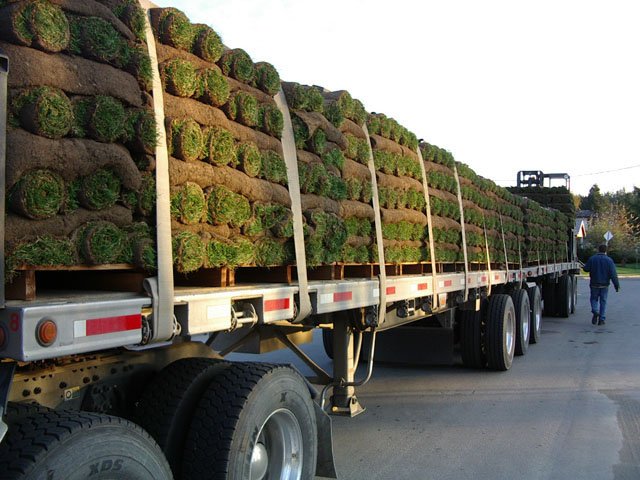

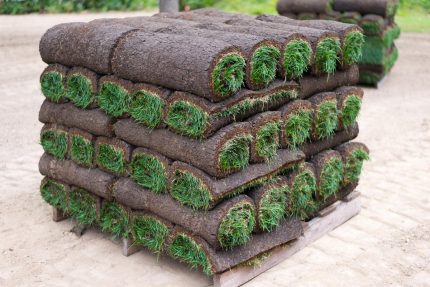
Buy Pallet Of Sod (50 pieces/450 square feet – $350)
Original price was: $450,00.$350,00Current price is: $350,00.
Pallet Of Sod :
Each piece is 2′ x 4.5′
Order 25 pieces or more (1/2 pallet+) and get a discount.
1 pallet = 50 sq. yards/450 sq. feet; 1/2 pallet = 25 sq. yards/225 sq. feet
Availability: In Stock – While Supplies Last
Categories: LANDSCAPING SUPPLIES / SOD PALLETS
From: From ≈ $350 (bulk wholesale)
Status: In Stock – Limited Quantity
Seller: Verified Sod Farm or Landscaping Wholesale Supplier
Source: Fresh-cut sod from farm, cut to order for pallets
Condition: Brand New, Farm Fresh, Ready to Install
Coverage per Pallet: Approx. 450-500 sq ft (varies by supplier)
Delivery / Shipping Area: Local delivery or pickup in USA (may vary by region)
Installation Note: Remove old grass, prep soil, install immediately after delivery for best results.
What users really want to know before they buy:
-
Variety & climate suitability: Different grass types (fescue, Bermuda, Zoysia, etc.) perform better in certain zones.
-
Delivery & freshness: Sod should be cut fresh, delivered quickly and installed immediately to avoid drying out.
-
Extra costs: Price often covers sod only — soil preparation, old turf removal, and delivery may add significantly.
-
Coverage calculation: Ensure you order enough pallets + 5-10% extra for waste/seams.
-
Installation timing: Lay sod as soon as possible after delivery, keep it well-watered and rolled for best establishment.
Detailed Breakdown by Sod Type
Bermuda Sod (Ideal for High-Traffic Lawns)
Coverage: 450 sq ft per pallet
Root Strength: Very strong
Note: Perfect for sunny areas, sports fields, and durable home lawns.St. Augustine Sod (Thick, Carpet-Like Texture)
Coverage: 450 sq ft per pallet
Shade Tolerance: Moderate
Note: Popular in warm climates; broad blades and lush look.Zoysia Sod (Luxury Lawn Option)
Coverage: 450 sq ft per pallet
Maintenance: Low
Note: Dense, soft, and weed-resistant; premium curb-appeal choice.Centipede Sod (Low-Maintenance Favorite)
Coverage: 450 sq ft per pallet
Water Needs: Low
Note: Great for homeowners who want a green lawn with minimal upkeep.Fescue Sod (Cool-Season Grass)
Coverage: 450 sq ft per pallet
Shade Tolerance: High
Note: Ideal for cooler states and shaded yards.Example Pallet Manifest – Total: 50 Sod Pieces (450 Sq Ft)
Fresh-Cut Grass Slabs:
-
50 uniform-cut sod squares
-
Moist soil backing for fast rooting
-
Average piece size: 16” x 24”
-
Ready to install same day for best results
Moisture Level:
-
Pre-watered before shipping
-
Heat-protected freight wrapping included
Quality Control Checklist:
-
Zero weed patches
-
Disease-free certification
-
Even cut thickness for smooth laying
What’s Inside the Pallet (Realistic Mix)
Applies to customers choosing Mixed Sod Type option:
Warm-Season Mix (Common in Southern States)
-
20 pieces Bermuda
-
20 pieces St. Augustine
-
10 pieces Zoysia
Cool-Season Mix (Common in Northern States)
-
30 pieces Fescue
-
20 pieces Kentucky Bluegrass
-
Key Takeaways
Before you order, here are the most important factors to know:
- Coverage Varies: A standard pallet of sod covers 400 to 500 square feet. Always confirm the exact square footage with the supplier before you buy.
- Weight is a Major Factor: A single pallet can weigh 1,500 to 3,000 pounds, depending on moisture. This weight dictates your freight costs and whether your truck can handle pickup.
- Variety Drives Price: Specialized varieties like St. Augustine or Fescue cost more than common Bermuda grass due to different growth and harvesting needs.
- Freshness is Critical: Sod is a perishable product. Sourcing from a local farm or supplier ensures it is cut fresh, which is essential for successful rooting.
- Prep is Non-Negotiable: The best sod in the world will fail if laid on compacted, unprepared ground. Proper soil tilling and grading are required for a successful lawn.
Pallet Of Sod?
When suppliers talk about a pallet of sod, they are referring to a full pallet of harvested turfgrass, stacked and ready for transport. This is the standard unit for any project larger than a simple patch repair.
A “full pallet” typically covers 400 to 500 square feet, while a “half pallet” may be offered for smaller jobs, covering 200 to 250 square feet. Sod is most economical when purchased by the full pallet, as this optimizes freight and handling costs.
This format is ideal for:
- New Construction: Installing lawns for new homes.
- Large-Scale Renovations: Replacing dead or weed-infested lawns.
- Commercial Properties: Landscaping for business parks and complexes.
Buying by the pallet is the most cost-effective method for any area over a few hundred square feet, significantly reducing the per-square-foot cost compared to buying individual pieces from a garden center.
Where To Find A Pallet Of Sod Near Me?
The best place to find a pallet of sod near you is directly from a local sod farm or a dedicated landscape supply depot. While big-box retailers sell sod, they are middlemen. Going to a farm or a specialized supplier offers two major advantages:
- Freshness: Sod is a living, perishable product. Local farms cut the sod to order, often the morning of your pickup or delivery. This is crucial for healthy rooting.
- Price: Buying closer to the source removes markup costs from retailers.
When comparing vendors, freshness and cutting schedules matter more than a few miles of distance. A pallet that has been sitting on hot pavement at a retail store is a risky investment. At Bulk-PalletSales, we coordinate directly with regional farms to ensure your order is cut fresh and scheduled for immediate dispatch.
How Much Is A Pallet Of Sod?
The price for a pallet of sod is driven by grass type, region, and delivery logistics. There is no single national price. Expect a range from $150 to $450 per pallet for the material itself, with freight costs added on top.
We built the table below to show the primary factors that influence your total cost. Use this to understand why quotes can vary significantly between suppliers.
| Cost Factor | Why It Matters | Typical Impact |
| Grass Variety | High-demand or slow-growing types (e.g., Zoysia) cost more to produce. | High |
| Regional Demand | Prices are higher in dense urban areas and during peak spring season. | Medium |
| Order Volume | Full truckload orders (18-22 pallets) get a much lower per-pallet rate. | High |
| Delivery Fees | This includes fuel, driver time, and forklift/lift-gate services. | Medium |
| Farm vs. Retailer | Retailers add a significant markup for convenience. | High |
This data helps you budget effectively. Always get a bundled quote that includes the sod and delivery to avoid separate, unexpected freight charges.
How Much Is A Pallet Of Sod At Lowe’s?
Buying a pallet of sod at Lowe’s or other big-box stores is an option, but it serves a different market. These stores are built for homeowner convenience, not commercial volume.
Their pricing often includes the retail markup and may be sold by the piece, which is then stacked on a pallet. While promotions can be attractive, professional buyers should compare the trade-offs between a retail store and a dedicated farm supplier.
Here is a typical comparison for a 450 sq. ft. pallet.
| Metric | Lowe’s / Big-Box Retail | Local Sod Farm / Wholesaler |
| Typical Price | $200 – $500+ | $150 – $450 |
| Freshness | Variable; may sit for 1-2 days. | Cut-to-order; often < 24 hours old. |
| Variety | Limited to 1-2 common types (e.g., Bermuda). | Wide selection (Fescue, St. Augustine, Zoysia). |
| Logistics | Store pickup; local delivery may be extra. | Pro-grade forklift delivery to job site. |
| Best For | Small repairs, immediate DIY projects. | New lawns, large projects, pro installers. |
For pros, verifying the pallet’s exact square-foot coverage and the “cut date” is essential if you choose a retail option. For any project over one pallet, a farm-direct order coordinated by Bulk-PalletSales is almost always more efficient and cost-effective.
How Many Square Feet In A Pallet Of Sod?
A pallet of sod most commonly covers 400, 450, or 500 square feet. This is the single most important number to confirm before placing an order.
Farms harvest sod in different formats (rolls or slabs) and stack them to meet these standard sizes. They often list coverage as “approximate” because the final usable amount depends on your lawn’s shape.
- Always calculate waste: For a simple square or rectangular lawn, add 5% for cuts.
- Increase for complexity: For lawns with curves, garden beds, and walkways, add 10% to 15% for the extra trimming and fitting.
The table below shows common pallet sizes.
| Pallet Size (Square Feet) | Typical Use | Number of Rolls (Approx.) |
| 400 sq. ft. | Common standard, easy to transport. | 40-50 rolls |
| 450 sq. ft. | Very common industry standard. | 50-60 rolls |
| 500 sq. ft. | Popular, economical size. | 60-70 rolls |
Never assume the size. Always ask your supplier: “How many square feet are on this specific pallet?” This prevents budget overruns or last-minute shortages.
What To Know About A Pallet Of St Augustine Grass?
St. Augustine is a highly popular warm-season grass, especially in southern and coastal states. It’s known for its thick, broad blades and deep green color.
However, not all St. Augustine is the same. When ordering a pallet, you must know the sub-type, as this affects its performance.
- Floratam: The most common type. It is drought-tolerant and loves full sun.
- Palmetto: A semi-dwarf variety known for its superior shade tolerance.
- Raleigh: A cold-hardy variety, making it popular in the upper transition zones.
This variety also has specific needs. It requires consistent watering to establish and is less tolerant of soil compaction. Due to its coastal heritage, it handles soil salinity better than most grasses, making it a prime choice for seaside properties.
How Much Does A 400 Sq FT Pallet Of Sod Weigh?
A 400 square-foot pallet of sod weighs between 1,500 and 3,000 pounds. The exact weight changes dramatically based on two factors:
- Soil Moisture: Freshly cut sod after a heavy rain will be at the top of this range. Sod cut during a dry spell will be lighter.
- Soil Type: The farm’s soil composition (sandy loam vs. heavy clay) impacts the density.
A good average to use for logistical planning is 2,500 pounds per pallet. According to industry calculators, topsoil density can range from 75 lbs/ft³ (loose) to over 100 lbs/ft³ (compacted and damp). This weight is why professional freight is the standard for delivery.
Can My Truck Carry A Pallet Of Sod?
This is a critical safety and legal question. In most cases, a standard half-ton pickup truck cannot safely carry a full pallet of sod.
Check the “Tire and Loading Information” placard, usually on the driver’s-side door jamb. This label states your vehicle’s payload capacity. A full pallet of sod (2,500 lbs) plus a driver (200 lbs) and gear (100 lbs) requires a payload capacity of at least 2,800 lbs.
Here is a general guide for truck classes. Always check your specific vehicle’s rating.
| Truck Class | Common Examples | Typical Max Payload | Can it Carry a Full Sod Pallet? |
| Half-Ton | Ford F-150, Ram 1500 | 1,200 – 2,300 lbs | No (Risk of axle/frame damage) |
| Three-Quarter-Ton | Ford F-250, Ram 2500 | 2,000 – 4,000 lbs | Yes (If properly rated) |
| One-Ton | Ford F-350, Ram 3500 | 3,500 – 7,500+ lbs | Yes (Easily) |
Exceeding your Gross Vehicle Weight Rating (GVWR) is illegal and incredibly dangerous, leading to brake failure and suspension damage. The U.S. Department of Transportation outlines these rules to prevent accidents.
When in doubt, split the load or use a delivery service. Book your freight with Bulk-PalletSales to have your sod delivered safely to your curb with a forklift.
Can I Lay Sod Myself Or Hire A Pro?
Laying sod is physically demanding but achievable for a dedicated DIYer. The choice depends on your budget, timeline, and physical ability.
- DIY: You save 100% of the labor cost. However, it is back-breaking work. A 2,500-pound pallet means you will be lifting and placing that full weight, piece by piece. It’s also slow. A novice may take 6-8 hours to lay one pallet.
- Hiring a Pro: A professional crew is a machine. They can prep the soil and lay a full pallet in 1-2 hours. They have the right tools (rollers, cutters) and experience to ensure tight seams and proper grading. This quality assurance often means the sod roots faster and looks better.
If you are installing more than two pallets, hiring a professional crew is highly recommended to ensure the job is done quickly and correctly.
How Much Does It Cost To Lay A Pallet Of Sod?
If you hire a professional, the labor cost to install a pallet of sod typically runs $150 to $300 per pallet. This price can increase based on site complexity.
Labor quotes are based on:
- Site Access: Long distances to haul the sod from the curb to the backyard will increase time and cost.
- Obstacles: Cutting around many trees, garden beds, or sprinklers takes more time.
- Slopes: Installing on steep grades is more difficult and requires more care.
- Prep Work: This cost assumes the ground is already prepped. If the crew must also do the grading, tilling, and debris removal, that will be a separate, additional charge.
How To Prep Ground For Sod?
Proper ground preparation is the most important step for a successful sod installation. The goal is to create a soft, level, nutrient-rich bed for the new roots.
- Remove Old Debris: Clear all old grass, weeds, rocks, and roots.
- Rough Grade: Rake the area to establish a rough level, ensuring water grades away from your foundation.
- Till the Soil: Use a rototiller to break up the top 4-6 inches of compacted soil. This is essential for root penetration.
- Add Amendments: This is the time to add compost or other amendments based on a soil test. Many university extension offices, like the Texas A&M AgriLife Extension, offer affordable soil testing to see what nutrients your lawn needs.
- Final Grade: Rake the tilled soil smooth, breaking up any large clumps. The final soil level should be about 1 inch below sidewalks or driveways.
- Roll (Optional): Lightly roll the area with a lawn roller to settle the soil and reveal low spots that need more soil.
Should You Put Topsoil Down Before Sod?
Only add new topsoil if your existing soil is extremely poor (heavy clay, construction debris) or if you need to raise the grade.
If you do add topsoil, do not just lay it on top. You must till the new topsoil into the existing native soil. Blending the two layers prevents a “perched water table,” where water gets trapped between the different soil textures, drowning the new roots.
What Should You Not Do When Laying Sod?
Avoid these common, costly mistakes:
- Do Not Leave Gaps: Push the edges of the sod tightly together. Gaps expose the roots to air and cause them to dry out and die.
- Do Not Overlap: Overlapping edges prevent the sod from making contact with the soil, creating a dead spot.
- Do Not Stretch the Sod: Pulling or stretching a roll to make it fit will cause it to shrink back when it dries, creating new gaps.
- Do Not Fertilize Immediately: Do not apply high-nitrogen fertilizer right after installation. Wait 4-6 weeks for the roots to establish first.
When Is The Best Time To Lay Sod?
The best time to lay sod depends on your grass type.
- Warm-Season Grasses (Bermuda, St. Augustine, Zoysia): Lay these in late spring to early summer. They need warm soil temperatures (65°F and above) and long daylight hours to root aggressively.
- Cool-Season Grasses (Fescue, Kentucky Bluegrass): Lay these in early fall or early spring. They establish best in moderate soil temperatures (55°F–65°F) and are stressed by intense summer heat.
Avoid laying any sod in the peak of summer, as the high heat and intense sun can dry it out before the roots have a chance to take hold.
How Long Does It Take Sod To Root?
Sod will begin to form shallow roots in 7 to 14 days. You can check this by gently lifting a corner. If you feel resistance, the roots are starting to anchor.
It takes 4 to 6 weeks for the sod to establish a deep, robust root system.
- Week 1-2: Water daily (or multiple times a day) to keep the sod and the soil just beneath it constantly moist.
- Week 3-4: Water deeper and less frequently to encourage the roots to grow down in search of water.
- First Mow: You can safely mow the new sod once the roots are anchored (10-14 days) and the grass blades have grown to about 3-4 inches.
How Much Sod Do I Need?
To find out how much sod you need, map your lawn area. Break the lawn into simple shapes like rectangles, triangles, and circles.
- Rectangle: Area = Length × Width
- Triangle: Area = (Base × Height) / 2
- Circle: Area = $\pi$ × radius² (or 3.14 × radius × radius)
Add the areas of all your shapes together to get your total square footage.
Finally, add a 10% contingency percentage. This “waste factor” accounts for all the small cuts, angles, and borders. If your total area is 820 square feet, you should order 820 × 1.10 = 902 square feet.
This planning step can be tedious. We invite you to request a fast, custom takeoff and quote from our team at Bulk-PalletSales. We can analyze your job site and lock in your delivery dates.
How To Use A Sod Calculator?
Online sod calculators use the same math. To use one effectively:
- Measure all your lawn sections in feet.
- Input the length and width for each rectangular section.
- Use the triangle or circle functions for odd shapes.
- The calculator will sum these and often add the waste percentage for you.
Always double-check your measurements. Being off by just one foot on a 50-foot run can mean you’re short by an entire roll.
How Much Does Sod Cost?
The total cost of a sod project includes materials, delivery, and labor. Looking only at the per-pallet price is misleading.
A new lawn is an investment. A professionally landscaped property, starting with a healthy lawn, can see a return on investment (ROI) of 200% to 400% through increased curb appeal and usability.
This table breaks down the full project cost for a hypothetical 1,000 sq. ft. lawn.
| Line Item | Description | Estimated Cost |
| Materials (2 Pallets) | 1,000 sq. ft. of Fescue sod (2x 500 sq. ft. pallets @ $300/ea). | $600 |
| Delivery | Two-pallet freight charge with forklift unloading. | $150 |
| Prep Labor (Optional) | 4 hours of tilling and grading @ $50/hr. | $200 |
| Install Labor | 2 pallets @ $200/pallet labor. | $400 |
| Total Professional Install | $1,350 | |
| Total DIY Install | (Materials + Delivery Only) | $750 |
This shows that the sod material itself is often only half the total project cost.
We encourage you to contact Bulk-PalletSales for a bundled supply-and-install package. We leverage our network of suppliers and freight carriers to reduce your total project cost and simplify scheduling.
How Much Does Sod Delivery Cost?
Sod delivery is a specialized form of Less-Than-Truckload (LTL) freight. As defined by logistics experts at Investopedia, LTL is used when a shipment doesn’t require a full truck. Because sod is heavy and perishable, delivery is priced based on:
- Distance: Tiers based on miles from the farm.
- Weight: More pallets equal a higher freight class.
- Offloading: A “lift-gate” or “forklift” fee is standard for placing pallets at your curb.
Expect delivery fees to range from $75 to $250, depending on your location and the size of your order. Ensure your driveway or staging area is clear and accessible for the delivery truck.
Frequently Asked Questions About Pallet Of Sod?
What Is Included In A Pallet Of Sod?
A pallet of sod includes the specified square footage of farm-fresh, living turfgrass, cut into slabs or rolls, and stacked on a wooden pallet for transport. The pallet itself is almost always included in the price.
What Factors Affect How Much A Pallet Of Sod Costs?
The three main factors are:
- Variety: Exotic or specialty grasses are more expensive.
- Freshness/Source: Farm-direct is cheaper but has delivery fees. Retail is more expensive but convenient for small jobs.
- Season: Prices peak in the spring when demand is highest.
Related products

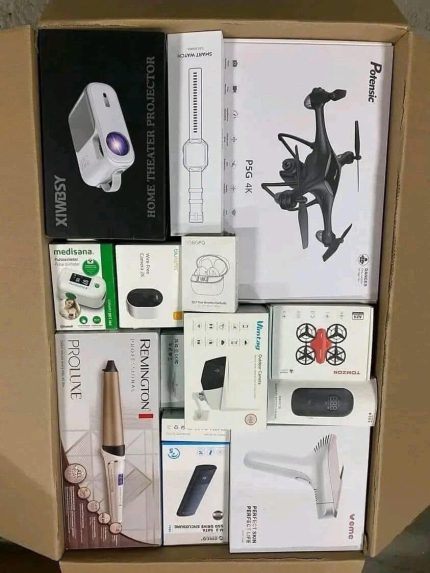
Buy Amazon Mystery Box Pallet (50+ Assorted Items From $200)
Status: In Stock – Limited Quantity
Seller: Verified Amazon Overstock Liquidator
Source: Amazon Overstock, Returns & Shelf Pulls
Condition: Mixed – 70% Brand New, 20% Like-New, 10% Customer Returns
Items per Pallet: 50+ (Electronics, Apparel, Home, Toys & Beauty)
Estimated Retail Value: Up to $1,200+
Return Policy: Final Sale – Buyer Protection Available
Packaging: Sealed Mystery Boxes (Freight Wrapped)
Shipping Area: Fast Freight Delivery Worldwide (USA-based seller with international options)
-
Risk factor: Many items are untested returns, so condition can vary.
-
Shipping & freight costs can add up, especially internationally.
-
Storage & inspection: you’ll likely need space and time to sort-and-test items.
-
Resale strategy: profitable mainly if you plan to resell individual items.
-
No guarantees on specific items inside — it’s a mystery.
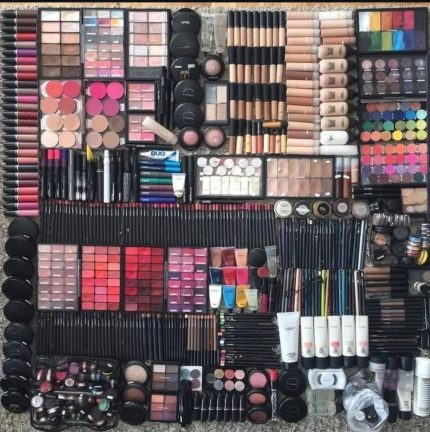

Buy High End Makeup Liquidation Pallets (200 + Items From ~$400)
Status: In Stock – Limited Quantity
Seller: Verified Beauty Liquidation Specialists
Source: Overstock, Shelf Pulls, & Customer Returns from Major Retailers
Condition: Mixed – Majority New/Like-New, Some Shelf Pulls & Returns
Brands & Items per Pallet: Includes luxury names (e.g., MAC, Estée Lauder, Fenty Beauty) with 200+ assorted items (lipsticks, palettes, foundations, primers)
Shipping Area: USA (Worldwide freight forwarding often available)
Business Requirements: Some suppliers require resale certificates or business account registration
What You Need to Know Before Buying:
-
Brand Mix & Authenticity: Ensure the pallet lists recognizable luxury brands and offers authenticity guarantees.
-
Condition Clarity: Confirm what percentage is new vs. shelf-pulled vs. returns, as this affects resale value and condition risks.
-
Shipping & Freight Costs: Pallets are heavy and bulky—freight charges can significantly add to cost.
-
Market Demand & Resale Channels: Luxury cosmetics have higher margins, but you need the right channels (online store, boutique, social selling) to maximize profit.
-
Inspection / Manifest Review: Always ask for a manifest listing item counts, brands and conditions to assess risk and potential profit.
Detailed Breakdown by Brand
MAC Cosmetics (40 to 60 Items)
Sizes: Full-size lipsticks, eyeshadows, bronzers, and setting sprays.
Note: Often includes Studio Fix, Prep + Prime, and seasonal collection overstock.
Fenty Beauty (20 to 40 Items)
Sizes: Full-size foundations, highlighters, and glosses.
Note: Popular SKUs like Pro Filt’r Soft Matte, Killawatt, and Gloss Bomb appear frequently.
Charlotte Tilbury (15 to 30 Items)
Sizes: Full-size lipsticks, powders, quads.
Note: Includes Pillow Talk line, Airbrush powder, and holiday gift sets.
NARS (20 to 30 Items)
Sizes: Full-size blushes, bronzers, lipsticks.
Note: Orgasm collection, Laguna bronzer, and mini kits often included.
Dior Makeup (10 to 20 Items)
Sizes: Full-size lipsticks, foundations, skincare-cross products.
Note: Dior Backstage items, Rouge Dior, and Forever Foundation show up occasionally.
Urban Decay (20 to 30 Items)
Sizes: Palettes, setting spray, liners.
Note: Naked palettes, All Nighter spray, and glide-on pencils are common.
Too Faced (15 to 25 Items)
Sizes: Eye palettes, primers, lip products.
Note: Chocolate Bar, Born This Way foundation, and Better Than Sex mascara included.
Tarte (20 to 30 Items)
Sizes: Foundation, concealer, palettes, blush.
Note: Shape Tape concealer and Amazonian Clay palettes are high-revenue items.
Example Distribution (Realistic Mix) – Total: 200 Items
Premium Brands (Approx. 80 Items)
-
MAC: 25 items
-
Charlotte Tilbury: 15 items
-
Fenty Beauty: 20 items
-
NARS: 20 items
High-End Brands (Approx. 60 Items)
-
Urban Decay: 20 items
-
Too Faced: 20 items
-
Tarte: 20 items
Luxury Brands (Approx. 20 Items)
-
Dior: 10 items
-
YSL Beauty: 10 items
Mid-Range Brands (Approx. 40 Items)
-
Morphe: 20 items
-
Benefit Cosmetics: 20 items
Brief Manifest (Sample Pallet Contents)
-
Foundations: 35 units (Various shades, MAC, Dior, Fenty)
-
Eyeshadow Palettes: 25 units (Urban Decay Naked, Too Faced, Tarte)
-
Lipsticks/Glosses: 60 units (Mixed brands)
-
Concealers: 20 units (Tarte Shape Tape, NARS)
-
Bronzers/Blushes/Highlighters: 30 units (MAC, NARS, Fenty)
-
Setting Sprays: 10 units (Urban Decay, MAC)
-
Primers: 10 units
-
Mascaras & Liners: 35 units
-
Gift Sets: 5 units (Seasonal overstock)
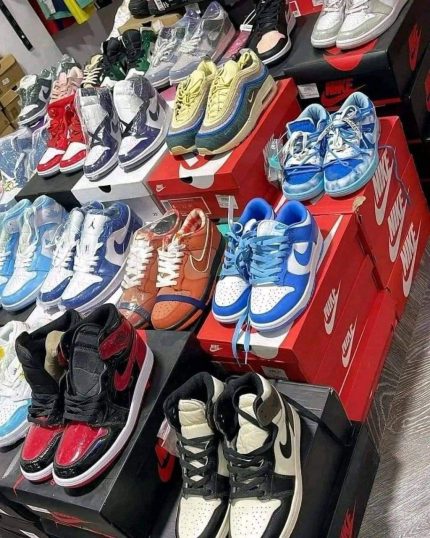
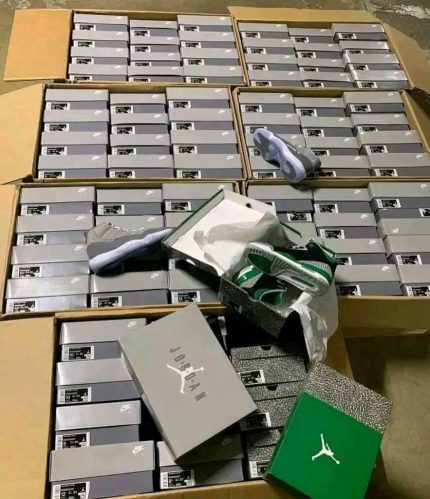
Buy Jordan Liquidation Pallets (50+ Authentic Pairs – $650)
Status: In Stock – Limited Quantity
Seller: Verified Jordan/Overs-tock Liquidator
Source: Jordan/Nike overstock, shelf-pulls, customer returns
Condition: Mixed – ~60% Brand New, ~30% Like-New/Returns, ~10% Clearance/Refurbished
Items per Pallet: 40–60 pairs (Men’s, Women’s, Mixed Sizes & Styles)
Distribution Agreement Required: Usually No (varies by seller)
Shipping Area: United States (many also ship internationally)
What you need to know before you buy:
-
Inventory Content: These pallets contain a mix of models and sizes, from classic retro to trending releases, which means you may get high-demand Jordans alongside slower-selling ones.
-
Profit Potential: Because you’re buying in bulk at a low per-pair cost (sometimes ~$13/pair in liquidation deals) you can unlock high ROI—especially if you identify and market the high-value models.
-
Risk Factors: You must check authenticity, and review the condition/manifest carefully. Counterfeits, mis-sized pairs, or heavy damage can reduce profit drastically. Operating with a trustworthy supplier is key.
Detailed Breakdown by Model
Air Jordan 1 (15 to 20 Pairs)
Sizes: 6 to 13 mixed
Notes: Includes High, Mid, Low variations. Often includes popular colorways and seasonal drops.
Air Jordan 4 (8 to 12 Pairs)
Sizes: 7 to 14 mixed
Notes: High resale value. May include Fire Red, Thunder, Infrared, or similar retro releases.
Air Jordan 11 (5 to 8 Pairs)
Sizes: 7 to 14
Notes: Includes standard and holiday releases. Popular models include Concord variations or Space-inspired colorways.
Air Jordan 3 (5 to 7 Pairs)
Sizes: 7 to 14
Notes: Often includes retro restock pairs with classic colorways.
Air Jordan 5 & 6 (5 to 10 Pairs Combined)
Sizes: 7 to 14
Notes: Common in liquidation pallets due to retail overstock and returns.
GS Jordan Models (6 to 12 Pairs)
Sizes: 3Y to 7Y
Notes: Includes Jordan 1 GS, Jordan 4 GS, and seasonal restocks.
Example Pallet Manifest (Realistic Mix – 55 Total Pairs)
High-Demand Models (25 Pairs)
-
Air Jordan 1 High/Mid/Low: 15 pairs
-
Air Jordan 4 Retro: 10 pairs
Seasonal & Retro Models (15 Pairs)
-
Air Jordan 3: 6 pairs
-
Air Jordan 5: 5 pairs
-
Air Jordan 6: 4 pairs
Premium / Collector Models (5 Pairs)
-
Jordan 11 Retro: 5 pairs
GS Sneakers (10 Pairs)
-
Jordan 1 GS: 5 pairs
-
Jordan 4 GS: 5 pairs
Condition Breakdown
-
70 percent brand new
-
20 percent like-new
-
10 percent minor box damage or light cosmetic flaws
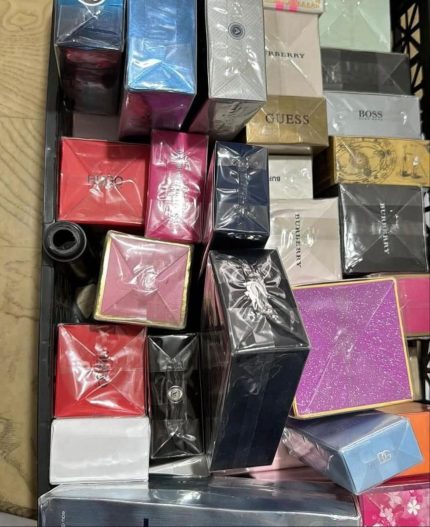
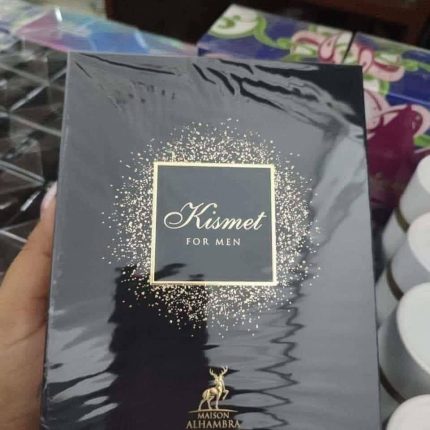
Buy Perfume Liquidation Pallets (100-600 items From $500)
Status: In Stock – Limited Quantity
Seller: Verified Perfume Liquidation Supplier
Source: Overstock + Returns + Closeout Inventory
Condition: Mixed – Brand New Sealed, Shelf-Pulls & Overstock Items
Brands & Sizes: Top designer brands (e.g., Chanel, Dior, Gucci, YSL) in full size, minis & gift sets
Items per Pallet: Typically 100-600 items depending on supplier
Shipping Area: U.S. Domestic & International Freight Available
What you want to know before you buy:
-
These pallets usually contain a blend of genuine, name-brand perfumes sourced from overstock, shelf-pulls or returns. One supplier describes them as “bulk shipments of excess… sold by wholesalers at a fraction of retail price.”
-
The profit potential can be high: Some listings show pallets purchased for ~ $1,200 that claim resale values of $8,000-$10,000.
-
Key factors to check: authenticity (sealed packaging, trusted brands), manifest (what items/brands/sizes you’re getting), condition (new vs shelf-pull), shipping costs and duties especially for international orders.
-
Use cases: online marketplace sellers (eBay, Amazon), brick-and-mortar boutiques, gift shops, or building bundles/gift sets.
Detailed Breakdown by Brand (Common Mixes)
Chanel (20–45 Items)
Sizes: 35ml, 50ml, 100ml
Notes: Often includes Bleu de Chanel, Coco Mademoiselle, Chance, No. 5
Dior (15–40 Items)
Sizes: 30ml, 50ml, 100ml
Notes: J’adore, Miss Dior, Dior Homme, Sauvage (high resale value)
Yves Saint Laurent – YSL (15–35 Items)
Sizes: 50ml, 90ml, 100ml
Notes: Black Opium, Libre, Y, La Nuit de L’Homme
Tom Ford (10–20 Items)
Sizes: 30ml, 50ml, 100ml
Notes: Black Orchid, Ombre Leather, Tobacco Vanille, Neroli Portofino
Valentino (10–25 Items)
Sizes: 30ml, 50ml, 100ml
Notes: Born In Roma, Uomo, Voce Viva
Gucci (10–20 Items)
Sizes: 30ml, 50ml, 100ml
Notes: Guilty, Bloom, Flora, Memoire
Versace (20–40 Items)
Sizes: 30ml, 50ml, 100ml
Notes: Eros, Bright Crystal, Dylan Blue
Armani (15–30 Items)
Sizes: 30ml, 50ml, 100ml
Notes: Si, Acqua di Gio, My Way
Celebrity Brands (20–60 Items)
Notes: Ariana Grande, Britney Spears, Rihanna, JLo
Mid-Range Brands (25–60 Items)
Notes: Calvin Klein, Burberry, Guess, Mont Blanc, Nautica
Example Pallet Manifest (Realistic Mix – Total: 300 Items)
High-End Designer (Approx. 60 Items)
-
Chanel: 15 units
-
Dior: 15 units
-
Tom Ford: 10 units
-
YSL: 10 units
-
Gucci: 10 units
Mid-Range Designer (Approx. 120 Items)
-
Versace: 20 units
-
Armani: 20 units
-
Burberry: 20 units
-
Calvin Klein: 30 units
-
Mont Blanc: 30 units
Celebrity & Trendy Perfumes (Approx. 80 Items)
-
Ariana Grande: 20 units
-
Britney Spears: 20 units
-
JLo: 20 units
-
Rihanna: 20 units
Boutique / Tester / Shelf Pull Mix (Approx. 40 Items)
-
Boutique brands: 25 units
-
Retail testers (like-new): 15 units
Condition Breakdown
-
70 percent Brand New & Factory Sealed
-
20 percent Like-New Testers or Open Box
-
10 percent Customer Returns (fully functional bottles)
Why Resellers Love This Pallet
-
Includes fast-moving designer brands
-
Strong margins on Tom Ford, Dior, YSL, and Chanel
-
Easy resale on eBay, Amazon, Mercari, Facebook Marketplace, and boutiques
-
Units with small imperfections still sell quickly at discount prices
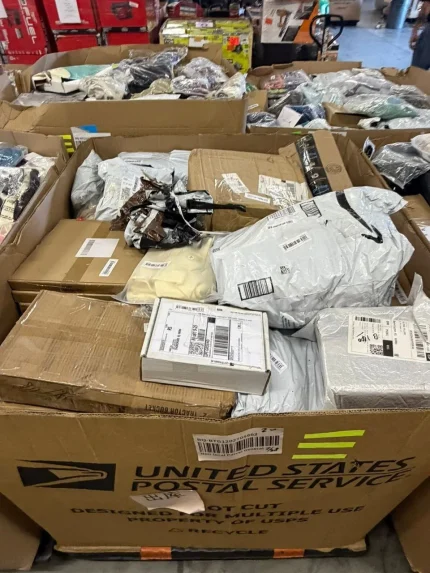
Buy Unclaimed Packages For $1 (500 Items – $500) – Mail Pallets
Status: In Stock
Seller: Verified U.S. Unclaimed Mail Liquidator
Source: USPS Lost Mail, Amazon Returns, Undeliverable Parcels, Overstock
Condition: Mixed – New, Like-New, and Customer Returns
Items per Pallet: 500+ Assorted Mystery Items
Distribution Agreement Required: No
Shipping Area: Fast Freight Delivery Worldwide
Detailed Breakdown by Category
Electronics (90–120 Items)
Sizes: Small to medium boxed items
Notes: Usually includes earbuds, small speakers, handheld gadgets, mini projectors, charging sets, LED accessories.
Apparel & Accessories (150–180 Items)
Sizes: XS to XXL, mixed adult and youth
Notes: Includes T-shirts, leggings, hats, belts, socks, lightweight jackets, and fashion accessories.
Home & Kitchen (80–110 Items)
Sizes: Small kitchen tools, compact appliances
Notes: Coffee tools, organizers, LED lights, cleaning tools, décor, utensils.
Toys & Games (40–70 Items)
Sizes: Small to medium
Notes: Figurines, puzzles, kids’ toys, art supplies, building kits.
Beauty & Personal Care (50–70 Items)
Sizes: Travel, full-size
Notes: Skincare, hair care, grooming kits, beauty accessories.
Tools & Outdoor Gear (20–40 Items)
Sizes: Small hand tools and compact outdoor items
Notes: Wrenches, LED flashlights, multi-tools, camping accessories.
Example Manifest (Realistic Mix) – Total: 500 Items
Electronics – Approx. 100 Items
-
Earbuds & Wired Headphones: 30
-
Bluetooth Speakers: 15
-
Charging Cables & Power Banks: 25
-
Smartwatch Bands & Accessories: 20
-
Mini Projectors & LED Gadgets: 10
Apparel & Accessories – Approx. 160 Items
-
T-Shirts: 40
-
Leggings/Joggers: 30
-
Hats & Beanies: 25
-
Socks & Underwear Packs: 30
-
Belts & Fashion Accessories: 35
Home & Kitchen – Approx. 90 Items
-
LED Home Lights: 20
-
Organizers & Containers: 25
-
Kitchen Tools: 30
-
Small Appliances (Mini Mixers, Kettles): 15
Beauty & Personal Care – Approx. 60 Items
-
Skincare Items: 20
-
Haircare Products: 20
-
Grooming/Beauty Tools: 20
Toys & Games – Approx. 50 Items
-
Small Toys & Figurines: 20
-
Arts & Craft Kits: 20
-
Puzzles & Mini Games: 10
Tools & Outdoor Gear – Approx. 40 Items
-
Small Hand Tools: 15
-
Flashlights & LED Work Lights: 10
-
Camping/Outdoor Items: 15
Reviews
There are no reviews yet.